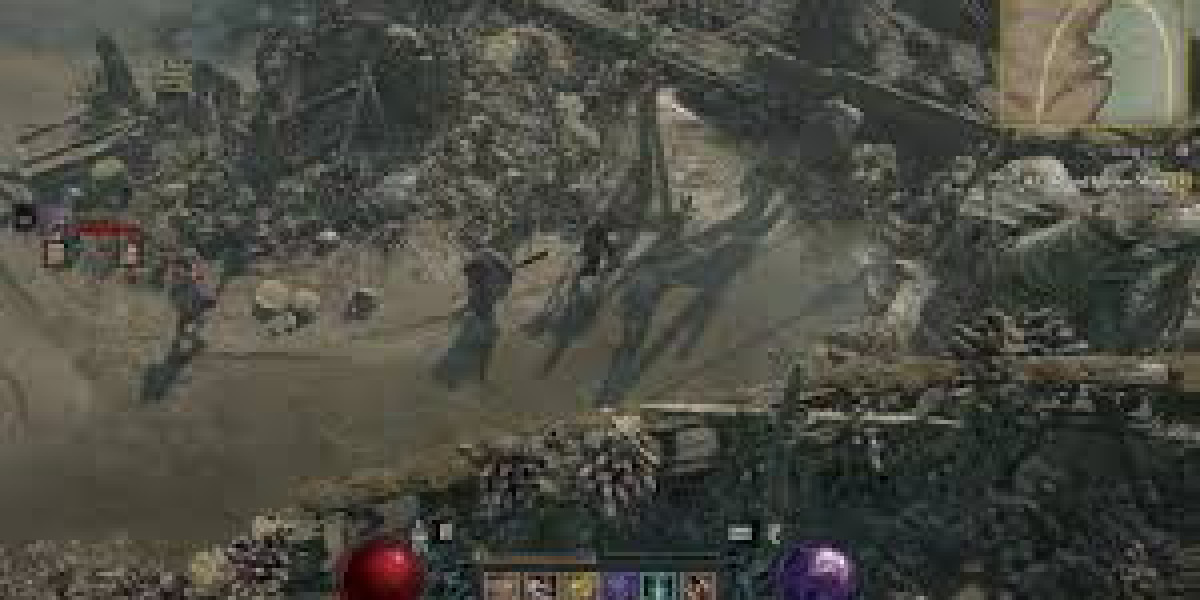

Diablo 4 Items's most significant evolution from its predecessors is its commitment to a seamless, shared, and activity-rich **open world**. Sanctuary is no longer a series of isolated acts connected by a menu screen; it is a continuous, haunting landscape stretching from the frozen peaks of Fractured Peaks to the scorched deserts of Kehjistan. This **open world** is not merely a backdrop for the campaign but a living, breathing entity filled with dynamic events, hidden dungeons, world bosses, and persistent threats that make traversal an engaging adventure in itself, fundamentally changing the rhythm and social texture of the Diablo experience.
The world is designed with a consistent, oppressive atmosphere that reinforces the game’s grimdark tone. Weather effects, day-night cycles, and ambient sounds—like distant wolves howling or the eerie creak of a gallows—create a palpable sense of place. Exploration is actively rewarded. Riding your mount off the beaten path can lead to silent cellars holding unique side quests, hidden altars granting permanent stat increases, or mysterious structures that unlock new **Waypoints**. The Renown system provides a structured incentive for this exploration, offering substantial rewards like skill points and Paragon points for fully uncovering each region, completing its side quests, and finding all its Lilith Altars. This makes every corner of the map meaningful to progression.
Dynamic events punctuate the exploration, creating constant, unscripted moments of action. A caravan might come under attack by cannibals, a cursed shrine might summon waves of enemies, or a gathering storm could spawn a powerful, possessed enemy. These events foster a sense of a world in constant, low-grade conflict. More significantly, they are naturally social. Other players in the vicinity are drawn to the chaos, leading to spontaneous, wordless cooperation. This shared experience is the foundation of Diablo 4’s muted but persistent multiplayer feel, creating a sense that you are not the only hero in this doomed land.
The ultimate expressions of this shared world are the World Bosses and Helltides. World Bosses like Ashava require the coordinated effort of dozens of players who gather at a scheduled time, creating massive, epic-scale battles. Helltides, as recurring demonic invasions, temporarily transform entire zones into high-risk, high-reward playgrounds where players scramble to collect currency before the event ends. These systems ensure the open world remains relevant at all stages of the game, offering endgame goals that are inherently public and dynamic.
In conclusion, the open world of Diablo 4 is its defining feature. It successfully translates the claustrophobic, dungeon-crawling essence of the franchise into a vast, interconnected landscape that feels genuinely alive and perilous. It replaces the linear, instanced pacing of old with a sense of freeform adventure and organic community. By filling Sanctuary with meaningful reasons to explore and systems that encourage passive cooperation, Blizzard has created a world that players inhabit rather than simply pass through, making the fight for its soul feel grander and more immersive than ever before.